

I've heard it said that the world started backsliding into dystopia when David Bowie died. "It was like he was cosmic glue or something," his friend Gary Oldman had said just a few months ago. "When he died, everything fell apart."
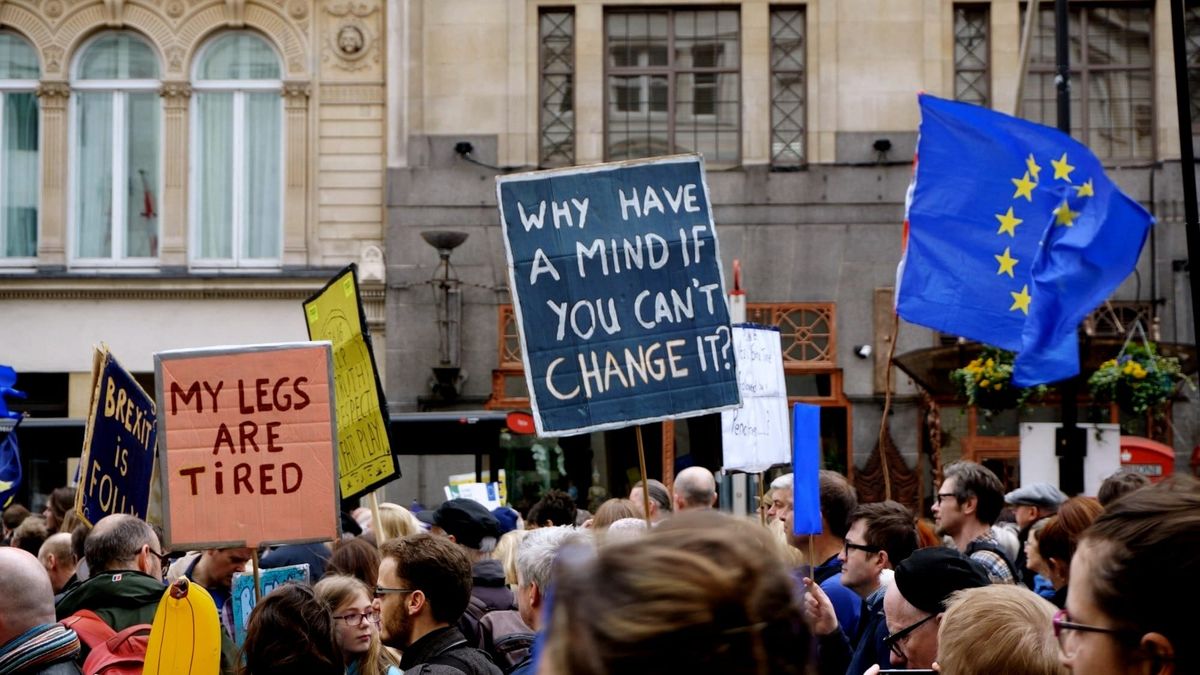
The tenth anniversary of Bowie's departure from the mortal coil was just a few days ago. It was a grim opening salvo on a progressively grim year, least of all thanks to the number of celebrity deaths that followed - Prince, Carrie Fisher, Alan Rickman, Victoria Wood, George Michael on Christmas Day. An ideological canyon broke the UK in half in the run-up to the Brexit vote, a period marred by lies on red buses and xenophobic dogwhistles. Across the Atlantic, things were no better thanks to the first coming of Donald Trump, where any semblance of convention and order in politics sailed off a cliff.
There was more - the bone-chilling threat of Islamic State, responsible for three coordinated suicide bombings in Brussels that killed 32 people and injured more than 300. The shooting at the gay nightclub Pulse in Florida, in which 49 people lost their lives, felt especially heavy just a year after marriage equality had finally arrived across all 50 states. It was a year of mourning, despairing, eulogising and fearing.
As more distance grows between 2016 and the present moment, our collective vision of that year seems to have distorted. There's nostalgia for this moment - ask the population of TikTok, where searches of "2016" have jumped by 452 per cent. Their users want to celebrate an era of Snapchat stories, Instagram filters, Pokemon Go and thick, winged eyeliner. Musically, they've dug up the light, bubbly pop of the time, not that it endured (Lukas Graham, anyone?), though the alt-pop of the time purveyed by The 1975 and Twenty One Pilots went the distance and eventually elevated both to arena-filling stars.
This post is for paying subscribers only
Subscribe now and have access to all our stories, enjoy exclusive content and stay up to date with constant updates.