When I was growing up, I read a lot of Hunter S. Thompson essay collections. I adored his essays about being on the political campaign trail. Bouncing from village community centres to big city diners. From playgrounds to the long meandering bus rides, democracy felt alive and constantly in motion.
Some of the writing felt like an abstract reality show about an office of staff and their great hope for the future of America, moving from place to place. I liked hearing about the shared goals of a team, even if some of Hunter's extrapolations of their visions were ideologically demonic.
Amidst the cartoonish deconstructions of right wing bigots and his everyday way of speaking about overcoming injustice, there was something about his "gonzo"-style and first person POV writing that really excited me. The way he captured moments of history was less like a fly on the wall and more like cackling at a fly trapped under a brandy glass. I lapped it up and he had me locked in to some failed 70s senate races as if my life depended on the result, feeling his indignant rage thundering onto the page, with his oscillating sense of power being won or never grasped due to incompetence or being too darn nice. Often the very concept of power itself was being mocked, tarred and feathered before he'd even finished his opening paragraph.
There was an air of possibility, hope muddled with fear, in the way his writing was lurching toward the deadline of an election day. It was exciting hearing about the rousing speeches and the workloads and miles travelled and the drinks imbibed. Days seemed endless, Mondays blurring into Thursdays with speeches that felt like people were leaving it all out on the field. Or being posh city folk being jeered by local farmers.
Something about that collective endeavour and the eyes on the prize way of operating really appealed. It made me wonder what my adult self would be like, would I be in the throes of a project like that or (in)venting a new kind of journalism...
By the time I turned 21, I was on the campaign trail of another kind, working with artists on their debut singles (Bat for Lashes, Emmy the Great, Kaiser Chiefs, The Koreans, Komakino, etc) and then starting to release debut albums (like Jeniferever, Youthmovies, thisGIRL, Redjetson, and Brett Anderson's first solo record).
Back then, in the mid-2000s, the music industry was very different. CD singles sold in their thousands which helped both finesse your marketing savvy and built connections with retailers. CD albums had a great margin, you'd manufacture them for about £1, sell them for £8-12, spend about £1-2 per sale on marketing/pr/small print ads, and somewhere amongst it all cover the recording costs and advance to the artist and your staff.
Our releases like Martha Wainwright's debut album would go on to sell over 80,000 copies, helping to not just fund the label but keep the Drowned in Sound website alive.
I was in my element, I knew how to find music that I adored and slip it to people in the media who became supporters and shared their passion for the records to their audiences. Slowly at first and then rapidly the artists would grow an audience and fandoms were born. Momentum would build over months, and eventually we'd start to see the fruits of our labour in terms of sales meaning our distributor needed us to make more stock to get into the warehouse.
Something Changed
In early 2008, my friends who worked at Last FM and SoundCloud invited me to a room above an east London boozer. I sat alongside about 30 people and listened to a chap called Daniel Ek talk about how he was going to end piracy with a new streaming service called Spotify. What he was building sounded a lot like Napster's legal streaming service.
Being the annoying person I can sometimes be, I asked some pointed questions about his own passion for music. Bafflingly, he could barely answer my questions about the music he liked or the careers he hoped to change. He was so in the weeds of the data and "the solution" that it seemed alien to him to even consider talking about the records he loved (to this day, despite a huge comms team, we know little about his taste or if he even likes music).
To say it was a radicalising moment would be over-egging it but I definitely felt something crumble and buckle inside of me that I've never straightened out.
Ek wasn't wrong about the problem. Around this time, our CD sales began to plummet, partly because of how easy it had become to transfer someone MP3s of an album or swap hard drives with a friend. And then the economic crash hit (also ending the funding that helped us fund the launch of TheQuietus, ThrashHits and TheLipster), and I very reluctantly put our defiantly independent label on pause.
In the 2010s I've dabbled in helping the artists I manage release their records through my 360⁰/CCCLX label but so much has changed that everything I once knew had become pretty much obsolete.
For a while, it was still possible to engage with humans that had audiences, be that playlisters or publications or radio DJs or record shops. I even grew my own footing as a playlist maker and could help nudge algo-daddy to uplift tunes by acts I loved and music I was working with.
Now, it feels as if you're shouting into a void, being told to repeatedly insert coin(s) to continue. The blogs and playlist makers and even some radio stations, have a pay to submit music set up. There's some remaining independent media outlets whose inboxes are deluged, so releasing music is a heartbreaking game of researching people and sending follow ups that never get a reply (I feel their inbox straining and know the pain). Or paying out £1000s for pluggers/PRs to do it on your behalf, who often don't get much more luck.
From what I can tell from everyone I speak to, releasing music in 2026 is mostly data entry followed by figuring out what advert will convert social audiences into streaming a song, before you run out of money... only to get a pittance back in streaming income (fair to say, that is not a game we've been playing).
Whilst the intermediaries have changed, two things remained true:
- Music fans are the centre of everything
- Getting fans to join a mailing list so you can keep in touch with them is crucial - even more so now that algorithms and the attention economy is so broken that you need to debase yourself or endlessly post in order to cut through (the only caveat is that inboxes are now bulging under the weight of newsletters like this one)
As We Once Were
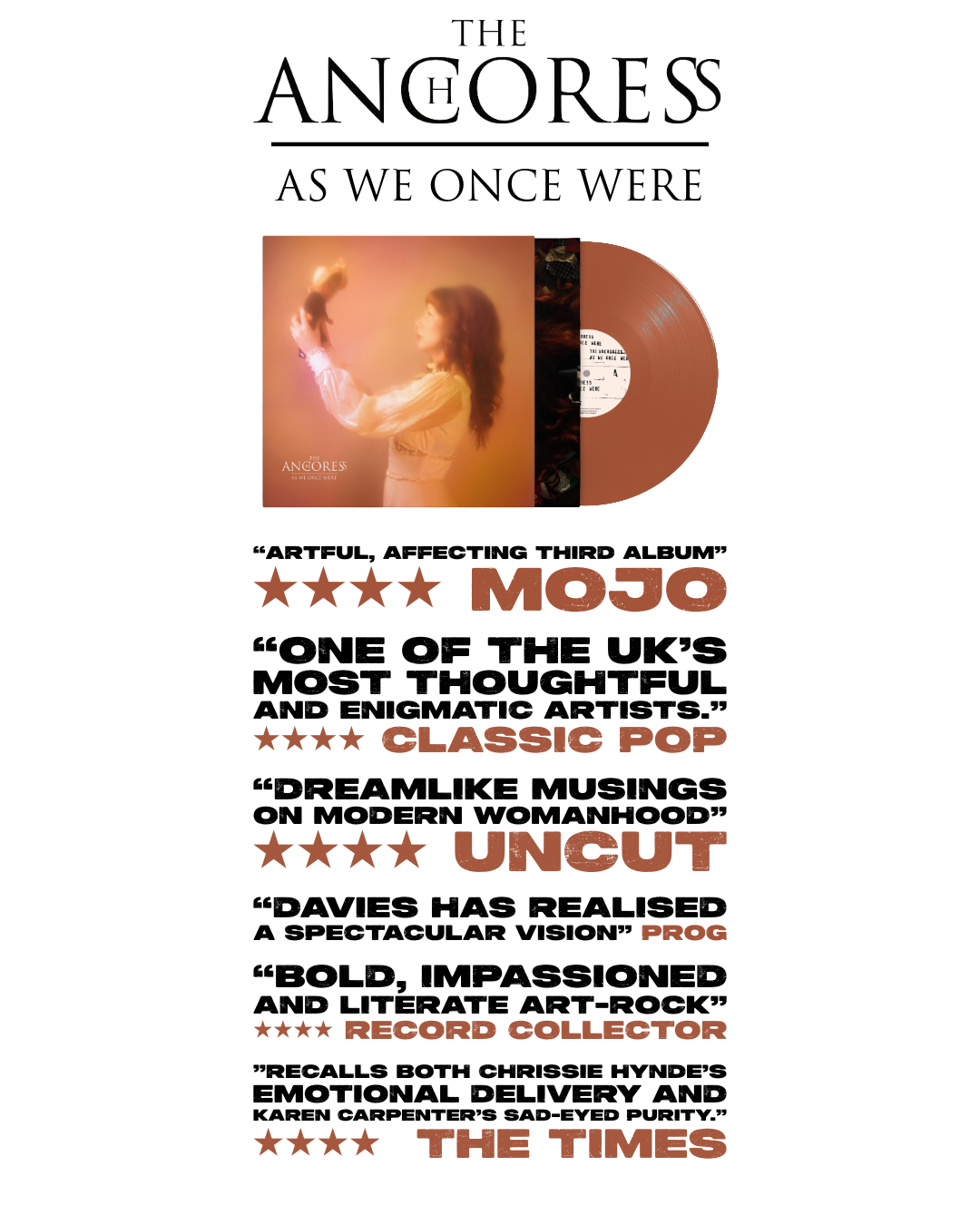
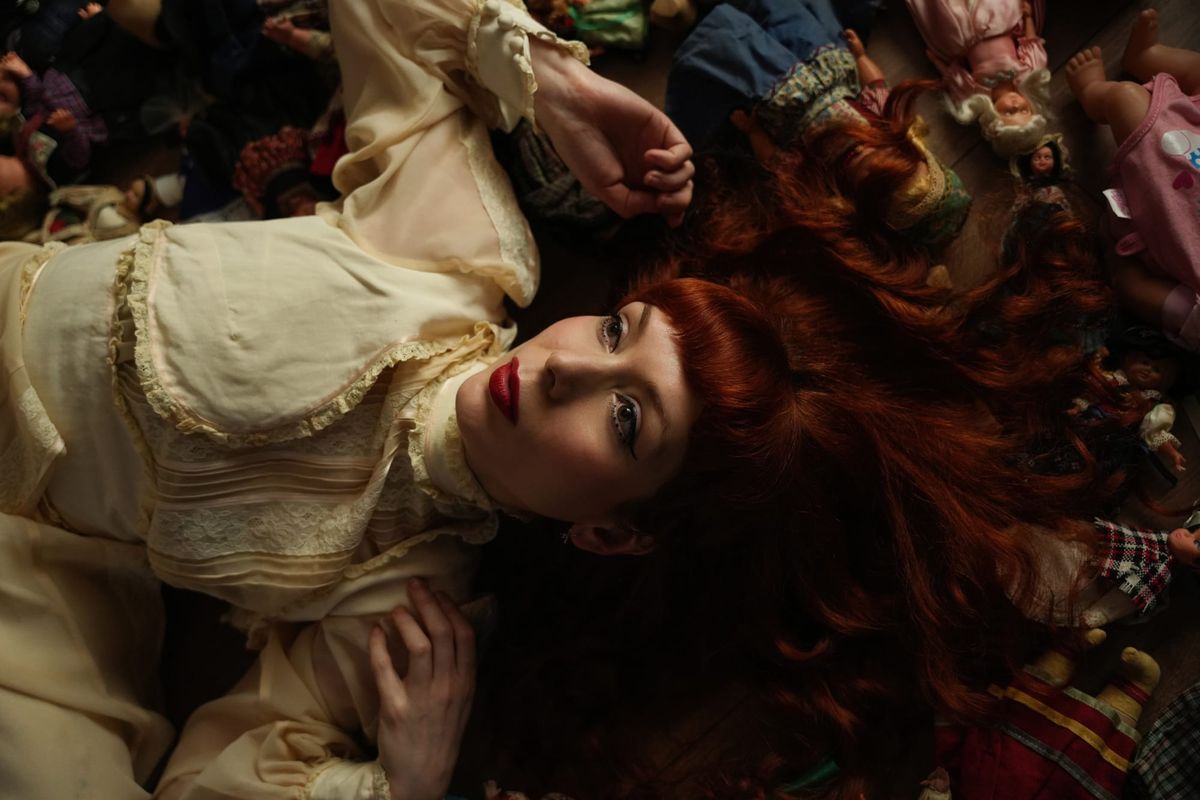
Today sees the release of the third album by producer and multi-instrumentalist, The Anchoress entitled As We Once Were.
 richeychthonic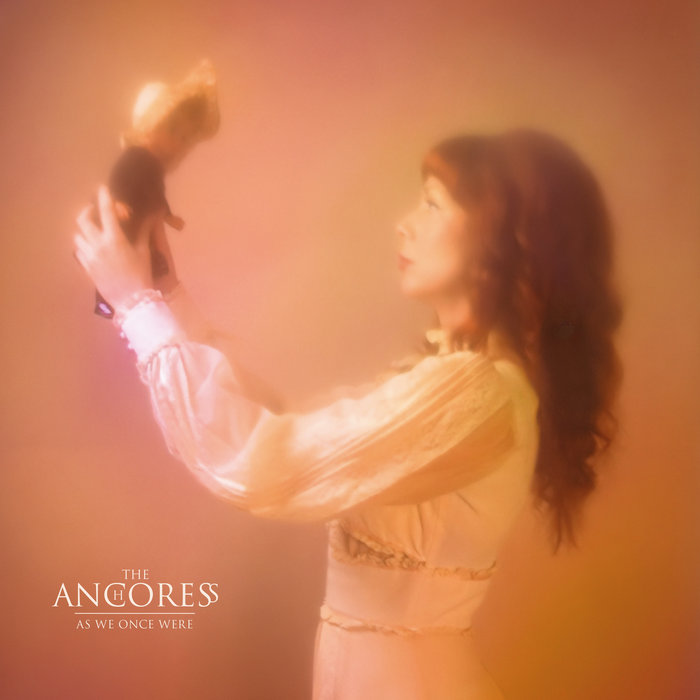
Alongside keeping DiS going, I've worked with Catherine since her first EP. As a manager I mostly get out of her way, stepping in when needed for meetings or graphic design or shooting social videos or conspiring. She's sold over 20,000 physical records so far, recouped her first record deal (pretty much unheard of in our business) and found fans in the likes of Robert Smith and Elton John, as well as won plaudits and picked up a tonne of press acclaim. And without bags of marketing spend, she's done that through hard graft and focussing on one fan at a time.
Bandcamp has been so central to her story. As an early adopter of the platform, the way fans get a notification when a pre-order or new release comes out has been key to sustaining her career. So it's not an accident that her album is released today, which is Bandcamp Friday, where they take no fees. And on Sunday, she'll be doing a special listening party that fans around the world can join (feel free to pop along).
On Monday, we will celebrate the launch of the album at Rough Trade on London's legendary Denmark Street. Alongside a signing and a playback of the album, we'll be in conversation and share some confessions from this campaign, reflecting on how much has changed since her album 5 years ago and my first forays into the industry over two decades ago. Tickets are available for free on Dice if you wanna join us.
The album is streaming around the world (even just saving it to your library would be a big help for battling the corporate algorithm deluged in AI slop) and is available from all good record shops.
Anyway, don't just take my word for it being worth a listen (or adding a copy to your collection), here's some of the praise the record has had so far: