Quick reminder: The Neptune Prize, our alternative to the Mercury Prize is coming. It feels more needed than ever this year. Stay tuned for updates.
The Mercury Prize wasn’t meant to be the twin of the BRIT Awards – if anything, it was designed to be an antagonist of sorts. This was its aim upon its inception in 1992, the brainchild of Virgin Records executive John ‘Webbo’ Webster and producer Robert Chandler. It’s touted as music’s version of the Booker Prize for literature or the Turner Prize for art, but these comparisons showcase prestige, not purpose. Its purpose, at the outset, was to be an alternative.
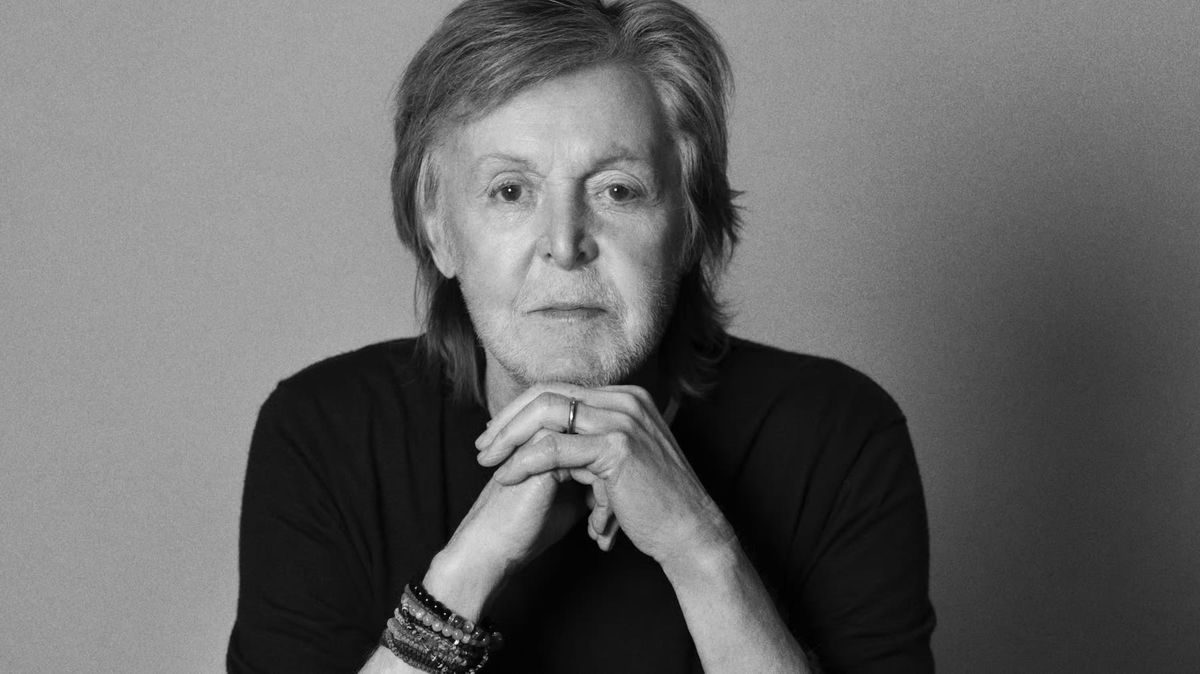
The irony is I’ve seen multiple comparisons made between this year’s Mercury Prize shortlist, which was unveiled last week, and a nomination list for the BRIT Awards. Major label artists are more dominant than ever. Totemic names are jostling for the prize, among them star-of-the-moment Olivia Dean, Florence and the Machine, rap titan Dave and for the first time, Paul McCartney. Knats fill the semi-token jazz slot, and there’s a decent coalescence of genres from pop to indie folk to a very on-the-nose hit of jungle through Nia Archives’ Emotional Junglist. (Not knowing much about jungle, I incorrectly assumed she was referring to Carl Jung. Joke’s on me.).
The Mercury Prize bats away rebounding criticisms year after year. Questions are rightfully asked of it, of what it should represent and what it’s truly about. Is it relevant? Do people care? Given the level of conversation that erupts every year, that ticks the ‘yes’ box on those last two questions. (I once considered someone’s complete ignorance to the Mercury Prize the final item on my list of reasons to not go on a date with him). More pertinent than ever this year, however, is the question of what the Mercury Prize is truly for, who it ought to recognise and where from in the musical world.
This year’s list is an undoubtedly commercial one. Three of Reading and Leeds’ six headliners this year are represented. Dean’s got a chokehold on the charts and has sold out The O2 numerous times over this year. Then there’s a Beatle searching for yet another trophy for his creaking mantlepiece. Altogether, it makes the Mercury Prize look less and less like a true alternative voice and yet another mainstream mouthpiece that relishes commercialism more than it was designed.
I’m not denying the quality of these albums. Artistic merit will always be part of the Mercury Prize’s foundation, it would be hoped. But how important does their commercial success really have to be?
The Mercury Prize is undoubtedly a stamp of greatness that sees the winner’s sales and streams skyrocket; the prestige matters. Could it not be more useful therefore to spotlight an album that’s recognisable at least to some degree, perhaps with some critical acclaim, a cult following, or word-of-mouth buzz, but that hasn’t had much of a mainstream boost but could still cross over? Many of these artists or albums don’t ‘need’ that extra nod that the Mercury Prize provides, unlike artists who genuinely flourished further as the result of their nomination or win like Young Fathers, Ezra Collective or English Teacher in recent years.
This is what I mean by a lack of ‘outsider art’. Keep to the mainstream (mostly) and lists start looking homogenous. Reaching further out, especially to artists on the rise or on independent labels, ensures a freshness and unpredictability can be maintained. There are a few albums I had in mind that could have been great Mercury nominees, which had both done well in their own right but deserved a larger audience and could be appreciated by a wider range of people.
This year, if it were up to me, I’d have slotted the Loathe album A Stranger To You into the nominations. It's an album album, experiential and cerebral, and though it has a metal pulse I envision it as a record that could become that one metal album for people who don’t think metal is for them. In fact, its introduction and interludes borrow from hip-hop and spoken word, thanks to the rhymes of their collaborator bucki sugar. Meanwhile, it eschews metal’s dark tones for technicolour, emotional but with many shades of positivity and hope encased within it. It’s beautifully unique, an album that could reasonably be quantified as art.
When I refer to ‘outsider art’, metal is one of the music forms I am thinking of. My thoughts on the Mercury Prize’s indifference to metal could form an entire newsletter in itself, but its continued lack of inclusion is certainly reflective of how music that’s in the margins, or coming away from the margins, is ignored. A metal album has never won, after all. Though its chair of judges Simon Frith once dismissed it as a ‘niche’ rather than a genre in its own right, that point fails to wash in an era where metal has affirmed it is standing up ready to be counted. And if jazz can be a part of the Mercury Prize as it so often is - not shirking it of course - why can't metal be?
To quote Keith Kahn-Harris in my current read, The Beautiful Death of Ozzy Osbourne: "Metal is beginning to take its place in the diverse firmament of established human cultures with longstanding traditions. To ignore it, to treat it as ephemeral, increasingly means to be blind to the existence of part of the cultural foundation of modern life."
The Mercury Prize doesn’t need to become a celebration of the obscure and make itself stuffy and elitist. What it can do is cast its net wider. It can let people discover something they might not otherwise have heard. It can make the field open for anyone, from any career point or any genre, and make itself more exciting than ever.
And in other news...
- Last week it was Jared Leto's accusations of s*xual (note: we only censor some words due to inbox filters) misconduct in the headlines, but this week, allegations emerged surrounding Modest Mouse guitarist Simon O'Connor sending inappropriate text messages to a teenage fan. He has since given his account of events, apologised and has been removed from their current tour as a result.
- The vegan music festival The Great Vegan Gathering, which raises money for rescued animals, was cancelled following lobbying from the controversial group UK Lawyers For Israel over three pro-Palestine bands appearing on the bill. One of those was HAWXX, whose single 'Resistance Is Justified' I featured in the newsletter upon release, and the others were Active Slaughter and Millie Manders and the Shut Up.
- Fontaines DC became the last band to play a live session at BBC Maida Vale, which they recorded on Friday (31st July), and marked their first live performance since the unexpected death of their manager Trevor Dietz. The BBC is leaving Maida Vale behind as they've been planning since 2018 to relocate to Stratford, east London.
- Massive Attack's entire touring party was detained and questioned by police in Singapore simply for displaying a Palestinian flag during a concert last week. Some of them had their hotel rooms searched and had their passports temporarily confiscated, and authorities later said future applications for them to perform in the country would be denied. They've since called on the Singaporean government to protect freedom of expression, given they didn't believe displaying a Palestinian flag would violate any law.
- The Munich Regional Court has ruled that Suno has violated copyright and now has to disclose illicit revenues. This also means that Suno will have to pay an as-yet-unspecified sum in damages, but Suno insists they will appeal. It's been suggested that this could have "global significance" especially if this is repeated in other territories.
- There's been two major deaths in music this week, one of whom is the French synthwave pioneer Kavinsky, while the DiS community has been paying tribute to Glen Hansard. Hansard's funeral took place just today (4th August), and while I didn't personally know much about him until recently, it speaks volumes of his impact that both Bono and Eddie Vedder were there in attendance.
Related read
 Emma Wilkes
 Sean Adams
 Emma Wilkes