


I don’t know how we’re in the second half of 2026. I feel like I’ve only just got up from the comfy chair in Shure Studios where Sean and I recorded our predictions for the year during a chilly day in November 2025. So much has happened. Too much has happened, even.
The consensus so far is that the polycrisis rages on (Venezuela! Iran! Lebanon! Gaza! Extreme weather driven by climate change! Trump's reflecting pool!) and that was inevitable, even if it’s taken us to darker places than we might have ever imagined especially post-Epstein files. The world was never going to heal as soon as a digit changes on the end of a year, but as ever, there’s always still seeds of hope. In fact, in certain aspects of the music industry, there’s real potential for progress…
Live music is the new centre of discourse
Demand for live music is greater than ever. The end of the pandemic heralded a spike in demand for gigs – spending jumped 9.5 per cent in 2024 alone – and now summer has arrived, we’ve hit peak megagig season. (Harry Styles! Pitbull! My Chemical Romance! System Of A Down!)
There’s comfort to be taken in this: a desire for real life experience, a yearning for collective joy, and the one consolation in violent times is that there will always be great music. As such, it’s no wonder that the first act of 2026 has meant more conversations and questions are being raised around concerts than ever.
The boom in residency tours, put on by acts like Harry Styles and Ariana Grande, has prompted questions about the rising costs of live music and whether they’re being shifted from artist to fan. Phoebe Bridgers’ new phone-free policy was met with both applause and concern by those with certain medical conditions (but those doubts have fortunately now been addressed). Then, there’s Lily Allen’s West End Girl tour, but beneath some inane questions about her playing her new album in full instead of older hits was a conversation about the tightrope walk between pleasing fans and artistic expression.
 Emma Wilkes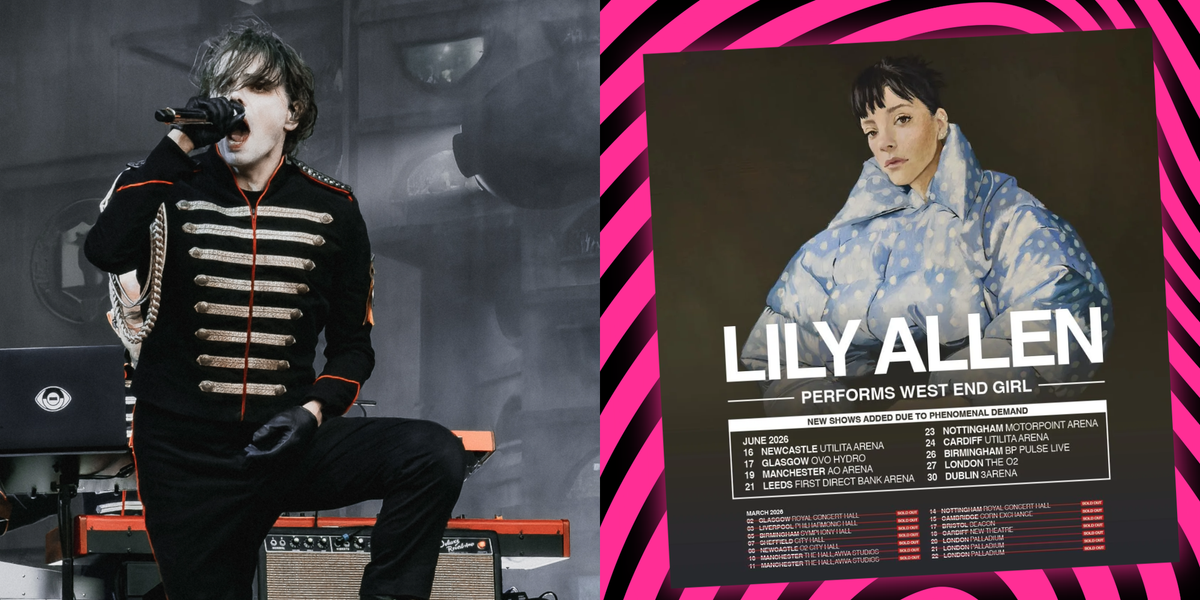
Music’s mega-corps aren’t immune from accountability
2025 was the year of the Spotify boycott, but so far in 2026, the lens was pointed at a different music giant. Live Nation has been in the news over a major US antitrust lawsuit, where a federal jury found that Live Nation–Ticketmaster acted as an illegal monopoly and overcharged music fans. It took a settlement in March to avoid being split up from Ticketmaster, with whom it merged in 2010.
Later on, here in the UK, the House of Commons Business and Trade Committee said the company had created a “climate of fear” and called for another investigation into Live Nation's business practices to take place before the end of the year.
On top of this, the Music Venue Trust also called out Live Nation at the top of the year at the launch of its annual report for allegedly delaying progress into implementing the £1 grassroots levy. Thankfully, there has been some movement, as both Harry Styles and levy pioneers Enter Shikari’s shows this year – both promoted by Live Nation - have carried it. Whether this will bring about change in the ticketing market that is so sorely needed is another story, and that question might be answered this side of Christmas... and we heard the deadline for it to move from voluntary to a mandatory charge per ticket was June 30th, so perhaps something for Andy Burnham to take care of if he's about to become the UK PM..?
 Emma Wilkes
 Sean Adams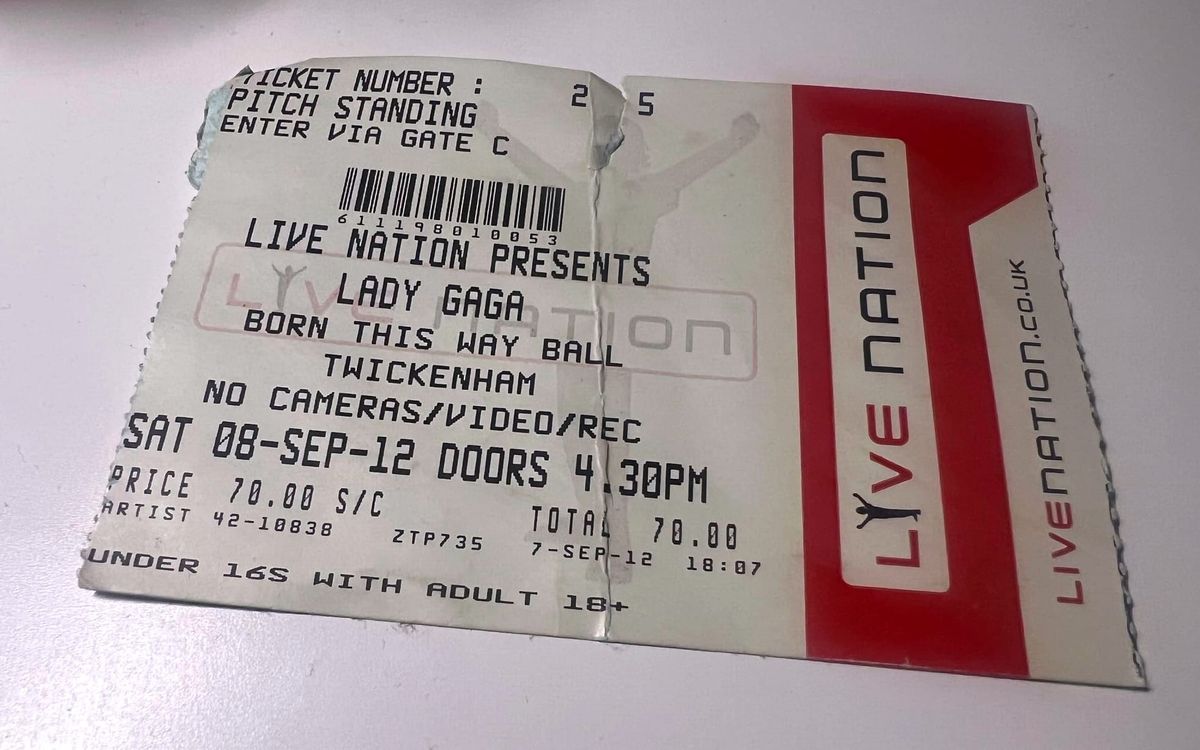
The distaste for entertainment’s billionaire class is growing
Living standards are crumbling, people are struggling and the world is building. It’s hardly a surprise that anger towards those flagrantly flaunting and hoarding their wealth has built up and two occasions in 2026 so far have fanned the flames. The first of these was May’s annual Met Gala, compared by some online to the Victory Tour in the Hunger Games, while there was a general sour atmosphere percolating around its display of extravagance as the world burned. Its sponsorship by Amazon founder Jeff Bezos and his wife Lauren Sanchez-Bezos added to the furore, sparking protests across New York.
There was a similar sentiment online this past weekend with Taylor Swift’s wedding to footballer Travis Kelce at Madison Square Garden, causing street closures and complaints about it potentially causing blackouts during a 37C heatwave, all during Fourth of July weekend. As admirable as it is that they donated $26 million to charity in celebration of their nuptials, for many, the damage was already done (and to be fair, it's about 1-2% of Taylor Swift's wealth).
In a time where so much change is overdue, sitting on mountains on wealth has never felt so out of touch.
Success is a source of skepticism, for better or worse
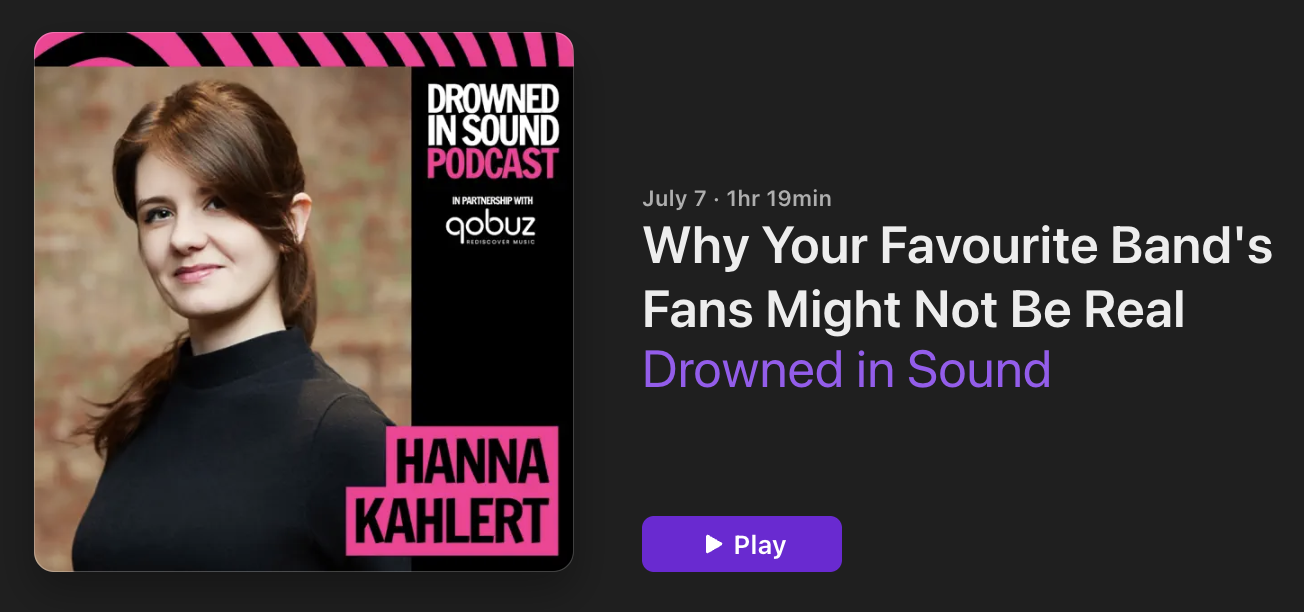
When did success become something we were so suspicious of? ‘Industry plant’ finger pointing is bad enough, especially when the term ‘industry plant’ is so nebulous as is, but one of the biggest stories of the year has built on this by revealing the reliance some artists have on algorithmic manipulation and agency-run fan pages. This emerged through an interview with digital marketing agency Chaotic Good and was particularly associated with the rise of the band Geese, as was reported by WIRED.
This is unpacked on this week’s podcast, but it was less shocking for those who work in music than those outside of it. It was bound to start fireworks in a time where trust in major systems and organisations has plummeted, particularly where technology is concerned, but neither does it mean that all success can be manipulated and engineered.
“You can only artificially platform an artist so much if the music isn’t actually good,” record label marketing manager Jarvis Cooper [a pseudonym] explained to Dazed. “It’s unfair that Geese have been scapegoated here because literally every single artist is using the techniques mentioned in the Wired article. That’s just how the industry works. Nine times out of ten, when you click on a TikTok and hear an artist’s sound being used, or follow a fan page, that’s actually the label doing it.”
Art remains a source of joy, unity and rebellion
Music will always rise to the occasion, whatever societal shifts are taking place, as a mirror of culture and a source of sanctuary. That’s been affirmed over and over in the first six months of the year. Look at Bad Bunny’s joyful yet urgent celebration of Latinx identity at his Super Bowl halftime show, or the fizz of excitement around Olivia Rodrigo’s latest coming-of-age album you seem pretty sad for a girl so in love. (See also the line-up for her charity festival Daisy Chain Fields – best line-up ever?).
On a more political level, the huge uproar against the deaths of Alex Pretti and Renee Good at the hands of ICE agents in January inspired a great level of unity in the music world, as well as the new Bruce Springsteen song ‘Streets of Minneapolis’ that names them both in the lyrics. It remains to be seen, of course, how summer will play out and whether the political outrage reaches the same ceiling as it has done in the last two festival seasons marked by boycott and chants of ‘Free Palestine.’
 Anagricel Duran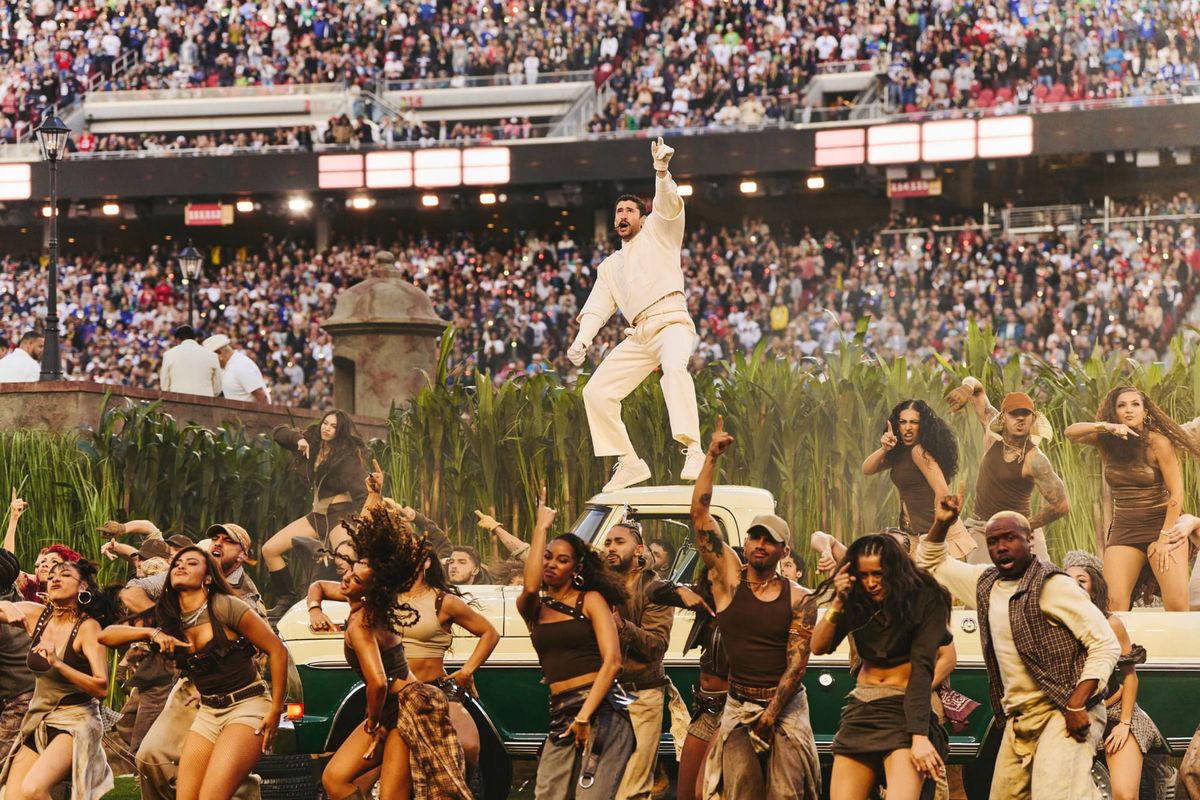
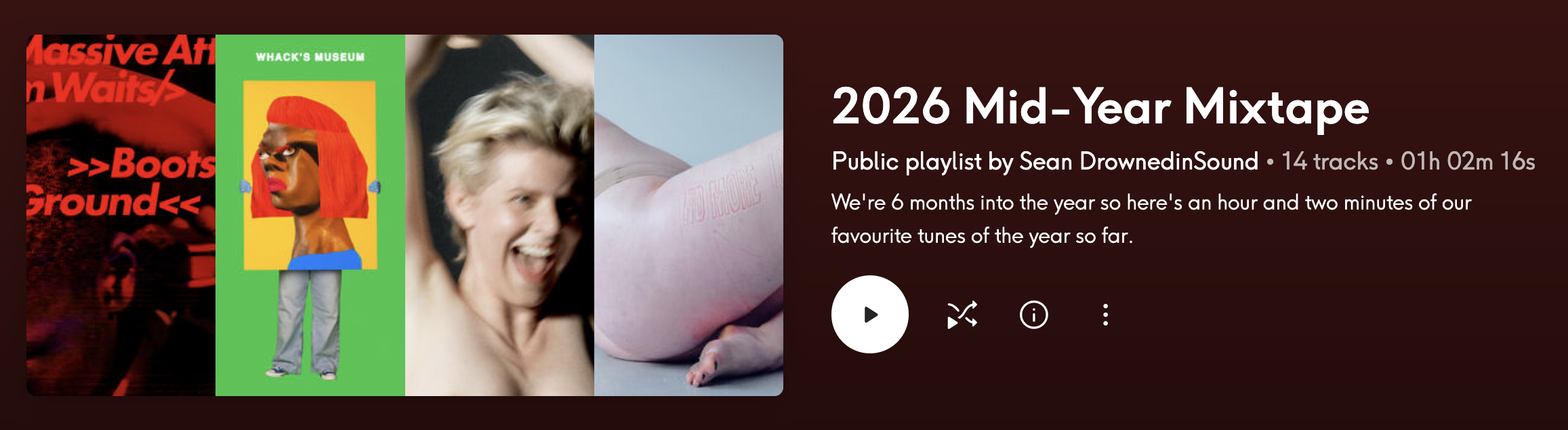
This week's podcast features reflections on the year in tech, so our companion playlist is an hour and two minutes of Sean's favourites of the year so far.